
Exploring Local Pizza Restaurants for Authentic Flavor
Pizza, a dish beloved by many, is ubiquitous in its reach and diverse in its preparation. From neighborhood pizzerias with their age-old recipes to newer establishments that experiment with ingredients, each offers a unique slice of tradition and creativity. We aim to explore how local pizza restaurants capture the essence of authenticity in their recipes and what distinguishes them in a world where food is often mass-produced.
History of Pizza and Its Cultural Influence
Ancient Origins of PizzaGlobal Spread of Pizza
The origins of pizza can be traced back to ancient civilizations where flatbreads were topped with a variety of ingredients. In Naples, Italy, pizza as we know it began to take shape, combining dough, tomatoes, and cheese. The Margherita pizza, named after Queen Margherita of Savoy, was one of the first documented pizzas and symbolized Italian unification. This traditional pie laid the groundwork for the emergence of diverse pizza styles worldwide.
Global Spread of Pizza
The globalization of pizza began in earnest during the era of mass migration from Italy to various parts of the world, particularly the United States. Italian immigrants brought their culinary traditions with them, adapting their recipes to local tastes and ingredients. By the mid-20th century, pizza had cemented its place in the American diet and beyond, becoming a symbol of cultural exchange. The simplicity and adaptability of pizza made it a favorite dish that suited different palates, enabling its expansion beyond Italian communities. Many historical local pizza restaurants got their start during this boom. Its global appeal is evident as almost 90% of pizza was consumed at lunch and dinner, according to the NIH, highlighting its role as a staple meal choice.
Regional Variations and Stories
As pizza traveled, it evolved, adapting to local tastes and ingredient availability. In the United States, distinct variations emerged, most notably the New York-style with its foldable slices and the deep-dish Chicago-style with its robust crust. Each of these regional styles carries its own story and reflects the cultural influences and preferences of the locales where they originated. Across the world, local variations such as the Roman Taglio or thin-crust pizzas in Italy, or even fusion styles in Asia, demonstrate the pizza's versatility, which continues to inspire modern local pizza restaurants today.
Key Ingredients for Authentic Pizza
Impact of Flour Types
The foundation of a good pizza lies in its dough, where the choice of flour plays a critical role. Authentic Neapolitan pizza, for instance, traditionally uses Tipo '00' flour known for its fine, powder-like consistency that creates a soft, chewy crust. The protein content of the flour affects gluten development, which ultimately influences the texture of the pizza. Semi-refined flours can alter the taste and texture dramatically, imparting a different flavor profile. Understanding flour types is essential for anyone looking to replicate the authentic taste and texture that are trademark features of artisanal pizzas.
Selection of Perfect Tomatoes
Tomatoes are another essential ingredient in the world of pizza, particularly for the sauce that forms the base for most pies. The rich, vibrant flavor of San Marzano tomatoes, grown in the volcanic soil of Italy, makes them a favored choice for traditional pizza recipes. These tomatoes are known for their perfect balance of acidity and sweetness, adding depth to the pizza sauce. Preserving the integrity of these ingredients is crucial, as their quality directly enhances the overall flavor of the pizza served at top-tier local pizza restaurants.
Cheese Varieties and Textures
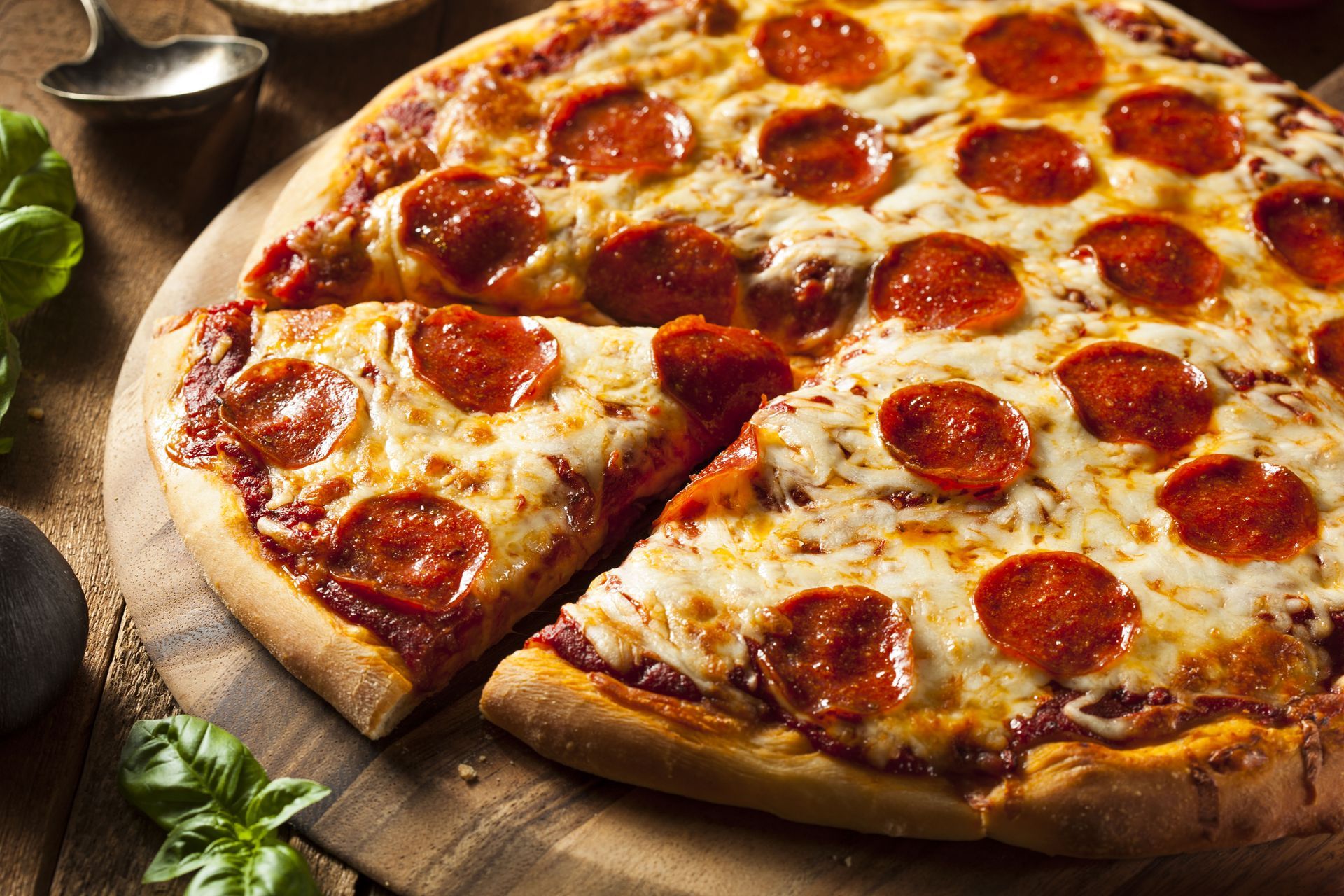
Cheese is the crowning glory of any pizza, contributing both taste and texture to the final product. Mozzarella, particularly the fresh variety, is a staple for authentic pizzas, loved for its meltability and mild flavor. However, other cheese varieties like provolone, ricotta, and gorgonzola have found their place in diverse pizza styles, each adding unique flavor profiles. Higher-fat content in certain cheeses creates the desirable bubbly, golden-brown appearance characteristic of a well-baked pizza.
Criteria for Great Local Pizza Restaurants
Hallmarks of Custom Authenticity
In the search for authentic local pizza restaurants, identifying key markers can guide food enthusiasts. The use of high-quality, often locally sourced, ingredients is a major indicator of a restaurant's commitment to authenticity. Traditional cooking methods, such as wood-fired ovens, are another hallmark, closely linked to the authentic taste many seek. Observing the restaurant's dedication to craft, from hand-stretched dough to signature recipes, can point to its genuine roots. Often, authentic establishments will proudly showcase their story and connection to traditional methods, inviting diners to partake in a time-honored culinary experience.
Value of Traditional Cooking Methods
Traditional cooking methods are essential to achieving the desired texture and flavor of an authentic pizza. One such method is using a wood-fired oven, which imparts a unique, smoky taste that cannot be replicated by conventional ovens. These ovens reach high temperatures, essential for cooking pizzas quickly and evenly, producing a slightly charred yet tender crust that is iconic to the Neapolitan style. Mastery of these traditional techniques is a skill honed over years, reflecting the commitment of local pizza restaurants to their craft.
Traits of Standout Local Pizzerias
A standout local pizzeria often boasts a combination of authenticity, creativity, and community involvement. Such establishments pride themselves on using heritage recipes as a base while being unafraid to innovate with modern twists. Their menus usually reflect a balance of time-honored pizzas and seasonal specialties that delight patrons with fresh surprises. Moreover, these pizzerias often become community hubs, places where locals gather to enjoy good food and company. This community connection contributes to their charm, resonating with diners who seek experiences beyond just a meal.
Spotlight on Iconic Local Pizza Restaurants
Profiles of Historical Pizzerias
Historical pizzerias serve as living testaments to the evolution and enduring popularity of pizza. Many of these establishments have been family-run for generations, preserving recipes and techniques passed down through the years. Pizzerias like Antica Pizzeria Port'Alba in Naples and Lombardi's in New York are steeped in history, lauded as some of the oldest operating pizza places. Their longevity speaks to their commitment to tradition and their ability to adapt to changing times while maintaining core principles. These iconic establishments offer not just pizza but a slice of history, enriching the dining experience with cultural and historical depth.
Insights from Renowned Pizza Makers
Renowned local pizza makers often boast a wealth of knowledge and passion for their craft, infusing their creations with personality and expertise. Interviews with these artisans reveal insights into the nuances of pizza making, from dough fermentation to ideal baking techniques. They often share stories of their culinary journey, highlighting moments of inspiration and evolution in their personal pizza styles. Such narratives underscore the dedication required to excel in this field and the joy found in pursuing and perfecting their art.
Signature Dishes and Origins
Every iconic pizzeria is known for a signature dish that encapsulates their philosophy and highlights their skill. These dishes often feature unique combinations of ingredients that reflect both tradition and experimentation. For instance, a classic Margherita pizza might share menu space with a more unconventional truffle and goat cheese option, showcasing the breadth of culinary creativity. The origins of these signature dishes often involve a mix of historical recipes and modern influences, telling a story on the plate. This blend of past and present results in offerings that are both a tribute to heritage and a testament to innovation.
At the end of the day, pizza is much more than just a quick meal—it’s a global favorite that perfectly balances old-school tradition with fresh creativity. The secret to a truly great pie comes down to the basics, like using the right flour, perfect tomatoes, and high-quality cheese. By skipping the mass-produced chains and eating at local pizza restaurants, you get to experience the real deal while supporting neighbors who treat pizza-making as a true craft.
Swing by Big Cheese Pizza tonight to grab a fresh slice and taste the difference that independent local pizza restaurants can make with hand-stretched dough and a hot oven!


Share On: